


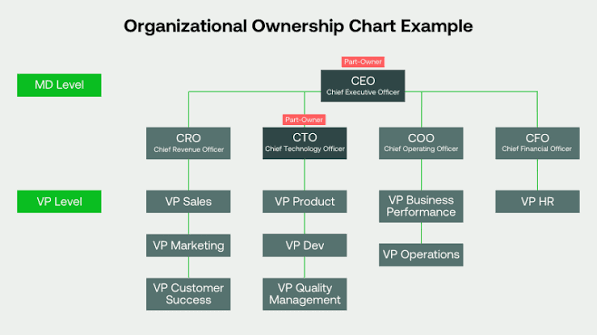
Finding reliable information about who owns a company can be surprisingly difficult, especially when the business is privately held. Unlike publicly traded companies, private businesses generally do not disclose the same level of ownership and financial information.
However, that does not mean company ownership information is impossible to find.
Researchers can use government business registries, corporate filings, company websites, regulatory records, investment announcements, reputable news publications, professional profiles, court records, and other public sources to investigate a company’s ownership structure.
Whether you are researching a business for a movie-related article, evaluating a production company, checking an entertainment business, investigating a startup, or simply trying to understand who controls an unfamiliar company, the process should be systematic.
This guide explains how to find a company’s ownership information, which sources to check, how to verify ownership claims, what information may be unavailable, and which common mistakes to avoid.
What Is Company Ownership Information?
Company ownership information refers to information that helps identify the people, businesses, or organizations that own or control a company.
Depending on the company’s legal structure and country, ownership information may include:
- Founders
- Shareholders
- Directors
- Parent companies
- Subsidiaries
- Corporate groups
- Investors
- Beneficial owners, where publicly disclosed
- Controlling individuals or entities
It is important to understand that ownership and management are not always the same thing.
A director may manage a company without personally owning it. Similarly, a founder may have established a business but no longer own or control it.
For this reason, researchers should avoid assuming that a founder, CEO, director, or producer is automatically the owner.
Why Find a Company’s Ownership Information?
Knowing who owns a company can provide important context about its business activities, relationships, and decision-making structure.
Researching ownership can help answer questions such as:
- Who founded the company?
- Who currently owns the business?
- Who controls the company?
- Are there individual shareholders?
- Does another company own it?
- Is it part of a larger corporate group?
- Has ownership changed over time?
- Has the company received outside investment?
- Who are its directors or executives?
- Does the company have a parent organization?
For example, suppose you are researching a private film-production company before publishing an article about one of its movies. Finding the company’s ownership information can help you determine whether the business is independently owned, connected to a larger studio, or associated with particular investors or corporate groups.
The goal is not simply to find a person’s name. The goal is to establish who owns or controls the company and what evidence supports that conclusion.
How to Find a Company’s Ownership Information Step by Step
1. Start With the Company’s Exact Name
The first step is to identify the exact company you are researching.
Businesses can have similar names, and a brand name may be different from the company’s registered legal name.
Record the following information:
- Company name
- Legal name
- Brand name
- Official website
- Country
- City
- Industry
- Registration number, if available
- Founders
- Directors
- Parent company, if applicable
Search the company name in quotation marks when necessary.
Also search for alternative spellings, abbreviations, former names, and brand names.
This helps prevent you from accidentally researching the wrong business.
2. Check the Official Company Website
The company’s official website is a useful starting point when researching ownership.
Look for pages such as:
- About Us
- Leadership
- Management
- Our Team
- Company Information
- Investors
- Partnerships
- Press
- News
- Contact
The website may identify founders, directors, executives, parent companies, investors, or affiliated businesses.
For entertainment companies, also check pages mentioning:
- Production companies
- Producers
- Studios
- Distributors
- Strategic partners
- Film projects
- Television projects
However, remember that information published by a company is self-reported information.
It can be useful evidence, but important ownership claims should ideally be confirmed through independent or official records.
3. Search Government Business Registries
Government corporate registries are among the most useful sources when you want to find a company’s ownership information.
The available information depends on the country and legal structure of the business.
For companies registered in India, the Ministry of Corporate Affairs (MCA) can be an important starting point.
Depending on the company and documents available, researchers may find information about:
- Company registration
- Corporate identification details
- Directors
- Registered office
- Filing history
- Company status
- Certain corporate filings
- Shareholding-related information in applicable filings
Always check the original government record rather than relying solely on a third-party website that reproduces registry information.
4. Research Company Directors and Founders
Searching for directors and founders separately can reveal useful information about a company’s ownership and control.
Search each person’s name together with the company name.
Look for:
- Previous companies
- Current and former directorships
- Business profiles
- Interviews
- Industry memberships
- Professional profiles
- Previous investments
- Previous entertainment projects
- Corporate relationships
This can help establish whether a person is a founder, director, investor, shareholder, or simply an executive.
Do not automatically classify someone as an owner simply because they appear on the company’s leadership page.
5. Look for Parent Companies and Subsidiaries
A company may not be independently owned.
It could be:
- A subsidiary
- Part of a corporate group
- Controlled by a holding company
- Owned by another business
- Associated with an investment group
- A brand operated by a different legal entity
Search the company name together with terms such as:
- Parent company
- Subsidiary
- Acquired by
- Acquired
- Owned by
- Part of
- Holding company
- Group
- Merger
- Investment
This can reveal ownership relationships that are not immediately obvious from the company’s own website.
6. Search for Investment and Acquisition News
Investment and acquisition announcements can provide important clues about company ownership.
Search for:
- Company name + investment
- Company name + investor
- Company name + funding
- Company name + acquisition
- Company name + acquired by
- Company name + shareholder
- Company name + stake
- Company name + merger
Established business publications and reputable news organizations can be particularly useful.
However, distinguish between an investor providing funding and an investor actually acquiring control.
A company can receive investment without the investor becoming its sole owner.
7. Search Independent News Coverage
Independent reporting can help verify ownership claims.
Search combinations such as:
- Company name + owner
- Company name + ownership
- Company name + founder
- Company name + shareholder
- Company name + investor
- Company name + acquisition
- Company name + parent company
Prioritize original reporting from established publications.
Be cautious when multiple websites appear to report the same information. They may all be repeating the same press release or secondary source.
8. Check Regulatory and Legal Records
Regulatory documents and court records can sometimes provide additional information about a company’s ownership or control.
Depending on the jurisdiction and company, these records may reveal:
- Corporate relationships
- Shareholder disputes
- Ownership changes
- Directors
- Acquisitions
- Litigation involving shareholders
- Regulatory actions
Legal records should be interpreted carefully.
The existence of a lawsuit does not automatically prove that one party’s allegations are true. Distinguish between allegations, court findings, settlements, and final judgments.
9. Investigate Trademark and Brand Ownership
If a company operates under a recognizable brand, investigate who owns the relevant trademarks where records are publicly available.
Trademark databases can sometimes help determine:
- Trademark owner
- Registered company name
- Brand relationships
- Ownership changes
- Related entities
This is especially useful when the brand name differs from the company’s legal name.
However, trademark ownership does not necessarily establish the complete ownership structure of the operating company.
10. Check Archived Company Websites
Older versions of company websites can be useful when researching historical ownership.
An archived website may show:
- Former founders
- Previous directors
- Former parent companies
- Previous business names
- Old management teams
- Past acquisitions
- Historical partnerships
This is particularly helpful when a company has changed its name, ownership, management, or corporate structure.
Always label historical information as historical rather than presenting it as current.
How to Verify Company Ownership Information
Finding a name online is not enough.
Ownership claims should be verified using multiple sources whenever possible.
Compare Multiple Sources
For important ownership claims, compare:
- Government records
- Corporate filings
- Company announcements
- Regulatory documents
- Reputable business publications
- Independent news reports
- Investment announcements
- Court records
If several independent sources support the same claim, confidence in the information generally increases.
Check the Date
Ownership can change.
A person who owned a company five years ago may no longer own it today.
Companies can:
- Sell shares
- Acquire other businesses
- Be acquired
- Merge
- Change controlling shareholders
- Create holding companies
- Change corporate structures
Always check the date attached to an ownership claim.
Identify the Original Source
Many websites copy company information from other websites.
For example, several articles may say that a particular investor owns a company, but all of them may have copied the same old announcement.
Try to locate the original:
- Corporate filing
- Acquisition announcement
- Investment announcement
- Regulatory document
- Company statement
- Court record
Then look for independent confirmation.
Ownership vs. Management: What Is the Difference?
One of the most common mistakes in company research is confusing ownership with management.
Owner: A person or entity that holds an ownership interest.
Shareholder: A person or entity that owns shares in a company, where applicable.
Director: A person responsible for corporate governance and oversight.
CEO or executive: A person responsible for managing the company’s operations.
Founder: A person who established the company.
These roles can overlap, but they do not necessarily mean the same thing.
For example, a founder can remain CEO without owning a majority of the company. A director can serve on the board without being a shareholder.
When writing about ownership, use the most precise description supported by the evidence.
What Company Ownership Information Can You Find?
The amount of publicly available information varies considerably.
| Research Area | Possible Information |
| Company identity | Legal name, brand name, registration |
| Ownership | Shareholders, owners, controlling entities |
| Management | Directors, executives, founders |
| Corporate structure | Parent companies, subsidiaries, affiliates |
| Investment | Investors, funding rounds, acquisitions |
| History | Founders, former owners, ownership changes |
| Legal records | Shareholder disputes, lawsuits, regulatory actions |
| Brands | Trademark owners and related entities |
| Business relationships | Partners, distributors, suppliers |
| Entertainment work | Producers, studios, distributors and projects |
Not every company will have publicly available information in every category.
How to Find Ownership Information for a Private Company
Private-company ownership research can be more difficult than researching a public company.
Start with the company’s legal name and registration information.
Then investigate:
- Government corporate records
- Company filings
- Directors and founders
- Parent companies
- Investment announcements
- Acquisition records
- Reputable news reports
- Regulatory and court records
- Trademark databases
- Archived company information
If complete ownership information is not publicly available, do not fill the gaps with assumptions.
Instead, clearly state what can and cannot be verified.
How to Research Ownership of a Movie or Entertainment Company
Entertainment businesses can have complicated corporate relationships.
A company involved in a movie may be:
- A production company
- Distributor
- Studio
- Streaming company
- Talent agency
- Animation studio
- Post-production company
- Media company
- Music company
- Entertainment technology company
When researching ownership, identify the company’s specific role first.
For an individual movie, investigate:
- Production company
- Producers
- Director
- Studio
- Distributor
- Financing company
- Rights holder where publicly documented
- Official production credits
- Release announcements
- Reputable entertainment reporting
This helps distinguish between a company that promoted a movie and one that actually produced, financed, distributed, or controlled rights associated with it.
How Reliable Are Company Ownership Databases?
Third-party company databases can be useful research tools, but their reliability varies.
Some databases collect information automatically from:
- Public records
- News articles
- Company websites
- Professional profiles
- Other databases
Their information may be incomplete, outdated, estimated, or incorrectly matched.
Use these databases primarily as research leads.
For important ownership claims, verify the information using government records, corporate filings, official announcements, or reputable independent reporting.
Common Mistakes When Researching Company Ownership
Relying Only on Search Results
Search engines are excellent discovery tools, but a search snippet is not evidence by itself.
Open and evaluate the original source.
Assuming the Founder Is the Owner
A founder may have sold shares or left the company.
Verify current ownership separately.
Confusing a Director With an Owner
A director may have no significant ownership interest.
Check the evidence before describing someone as an owner.
Confusing a Brand With a Legal Company
The company operating a website or brand may be different from the registered legal entity.
Always identify the legal entity where possible.
Treating Investment as Complete Ownership
An investment does not necessarily mean that the investor owns or controls the entire business.
Determine what type of investment or stake was actually reported.
Using Outdated Ownership Information
An old article may accurately describe ownership at the time of publication but no longer reflect the current situation.
Check dates carefully.
Treating Rumors as Facts
Social media posts, forums, anonymous claims, and unsourced blogs should not automatically be treated as reliable evidence.
Ignoring Contradictory Evidence
Good research considers evidence that challenges your initial conclusion.
If two sources disagree, investigate the reason instead of simply choosing the source that supports your preferred answer.
A Simple Source-Ranking System
A source-ranking system can make ownership research easier.
High-confidence sources
- Government records
- Regulatory documents
- Court records
- Corporate filings
- Original company announcements
- Official acquisition documents
Useful secondary sources
- Established news organizations
- Reputable business publications
- Industry publications
- Professional interviews
Sources requiring extra caution
- Anonymous posts
- Unverified blogs
- Scraped company databases
- Social media claims
- Websites without clear authorship
- Articles that provide no sources
For every important ownership claim, keep a note showing where the information came from.
You can also classify your findings as:
Verified: Supported by a strong primary or independent source.
Reported: Published by a credible secondary source but not independently confirmed.
Unverified: A claim that lacks sufficient reliable evidence.
This system makes it easier to update your research and avoid accidental misinformation.
Limitations of Company Ownership Research
Public research does not always reveal the complete ownership structure of a private company.
You may not be able to determine:
- Every shareholder
- Private shareholder agreements
- Complete beneficial ownership
- Confidential investment arrangements
- Exact ownership percentages
- Private valuation
- Internal control arrangements
A lack of publicly available information does not automatically mean that a company is suspicious.
Private businesses can legitimately have limited disclosure obligations.
The responsible approach is to report what can be verified and clearly identify what remains unknown.
For comprehensive company research and analysis, visit our Research Dossier Target Company. You can also explore trusted external resources such as SEC for official company filings and regulatory information, and Investopedia for additional financial and business insights.
Frequently Asked Questions
How do I find a company’s ownership information?
Start with the company’s exact legal name and official website. Then check government business registries, corporate filings, directors, founders, parent companies, investment announcements, acquisition records, regulatory documents, court records, and reputable news sources. Compare important claims across multiple sources before treating them as verified.
‘How to Find a Company’s Ownership Information’ helps you understand who owns a business. ‘How to Find a Company’s Ownership Information’ can reveal key stakeholders. ‘How to Find a Company’s Ownership Information’ is useful for business research. ‘How to Find a Company’s Ownership Information’ helps verify company details. ‘How to Find a Company’s Ownership Information’ can support competitor research. ‘How to Find a Company’s Ownership Information’ makes due diligence easier. ‘How to Find a Company’s Ownership Information’ helps you find reliable ownership data.
How can I find out who owns a private company?
Check government corporate records and available filings first. Then search for ownership, shareholder, investment, acquisition, and parent-company information in reputable business publications and company announcements. Keep in mind that private ownership arrangements may not be completely public.
‘How to Find a Company’s Ownership Information’ helps you understand who owns a business. ‘How to Find a Company’s Ownership Information’ can reveal key stakeholders. ‘How to Find a Company’s Ownership Information’ is useful for business research. ‘How to Find a Company’s Ownership Information’ helps verify company details. ‘How to Find a Company’s Ownership Information’ can support competitor research. ‘How to Find a Company’s Ownership Information’ makes due diligence easier. ‘How to Find a Company’s Ownership Information’ helps you find reliable ownership data.
Can I find a company’s shareholders online?
Sometimes. The availability of shareholder information depends on the company’s country, legal structure, reporting requirements, and publicly accessible filings. Some companies disclose detailed information while others provide very limited ownership information.
‘How to Find a Company’s Ownership Information’ helps you understand who owns a business. ‘How to Find a Company’s Ownership Information’ can reveal key stakeholders. ‘How to Find a Company’s Ownership Information’ is useful for business research. ‘How to Find a Company’s Ownership Information’ helps verify company details. ‘How to Find a Company’s Ownership Information’ can support competitor research. ‘How to Find a Company’s Ownership Information’ makes due diligence easier. ‘How to Find a Company’s Ownership Information’ helps you find reliable ownership data.
Is a company’s founder automatically its owner?
No. A founder may still own the company, but they may also have sold some or all of their ownership interest. Always verify current ownership separately.
‘How to Find a Company’s Ownership Information’ helps you understand who owns a business. ‘How to Find a Company’s Ownership Information’ can reveal key stakeholders. ‘How to Find a Company’s Ownership Information’ is useful for business research. ‘How to Find a Company’s Ownership Information’ helps verify company details. ‘How to Find a Company’s Ownership Information’ can support competitor research. ‘How to Find a Company’s Ownership Information’ makes due diligence easier. ‘How to Find a Company’s Ownership Information’ helps you find reliable ownership data.
Is a CEO the owner of a company?
Not necessarily. A CEO is generally a manager or executive, while an owner or shareholder holds an ownership interest. One person can have both roles, but the terms should not be used interchangeably without evidence.
‘How to Find a Company’s Ownership Information’ helps you understand who owns a business. ‘How to Find a Company’s Ownership Information’ can reveal key stakeholders. ‘How to Find a Company’s Ownership Information’ is useful for business research. ‘How to Find a Company’s Ownership Information’ helps verify company details. ‘How to Find a Company’s Ownership Information’ can support competitor research. ‘How to Find a Company’s Ownership Information’ makes due diligence easier. ‘How to Find a Company’s Ownership Information’ helps you find reliable ownership data.
How can I find the parent company of a business?
Check the company’s official website, government filings, corporate records, acquisition announcements, reputable business publications, and regulatory documents. Search for terms such as “parent company,” “subsidiary,” “acquired by,” and “part of.”
Are online company databases reliable for ownership research?
They can be useful for discovering leads, but their information may be outdated, estimated, or automatically collected. Verify important ownership claims through official records, company filings, or reputable independent sources.
Why is it difficult to find private company ownership information?
Private companies generally have fewer public disclosure requirements than publicly traded companies. Ownership arrangements may therefore be partially or completely unavailable to the public. Researchers often need to combine information from several sources.
Conclusion
Learning how to find a company’s ownership information requires more than searching for an owner’s name online. Reliable research combines government records, corporate filings, official company information, investment announcements, independent reporting, legal records, and other credible sources.
The most important principle is verification.
Do not automatically assume that a founder, director, CEO, or investor is the owner. Determine what role the person or organization actually has and support important ownership claims with reliable evidence.
When information is unavailable, say so clearly rather than filling the gap with speculation.
For movie and entertainment research, ownership research can be especially useful because production companies, studios, distributors, investors, and rights holders may all have different relationships with the same film.
