



Introduction
Target vs Amazon competitive analysis Target and Amazon are two of the biggest names in modern retail. Both companies offer a wide range of products, competitive prices, convenient shopping options, and loyalty benefits. However, they have developed very different approaches to serving customers.
Target combines its physical stores with a growing online shopping platform. Amazon, meanwhile, is primarily known for its massive online marketplace, broad product selection, convenient delivery, and technology-driven shopping experience.
For shoppers, choosing between the two is not always simple.Target vs Amazon competitive analysis One retailer may offer a better price on a particular product, while the other may provide faster access or more convenient pickup. This is why comparing the strengths and weaknesses of both companies can help consumers make better purchasing decisions.
This Target vs Amazon competitive analysis compares their product selection, prices, delivery options, loyalty programs, customer experience, electronics, clothing, household products, and overall shopping value.
Target vs Amazon: Business Model
Target and Amazon operate with different retail strategies.
Target has traditionally focused on physical stores. Its locations allow customers to purchase products in person and take them home immediately. Over the years, Target has expanded its digital shopping services, allowing customers to order products online and use different pickup and delivery options.
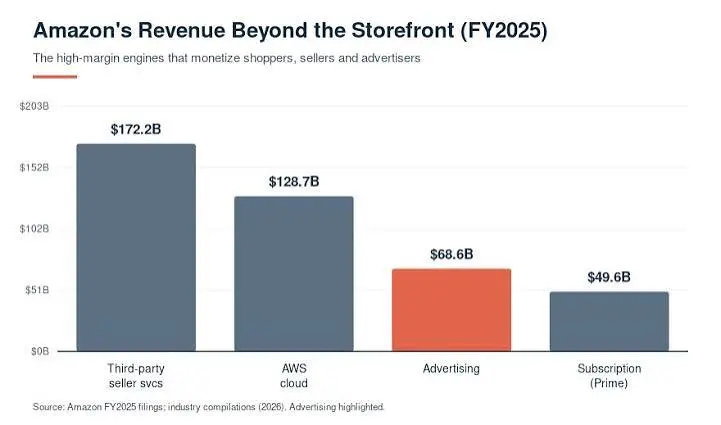
Amazon started as an online retailer and expanded into a huge digital marketplace. Customers can purchase products from Amazon as well as independent third-party sellers. This marketplace model gives shoppers access to an enormous range of products.
The main difference is that Target connects online shopping with physical stores, while Amazon focuses heavily on online selection, technology, fulfillment, and delivery.
This difference is one of the most important factors when comparing the two retailers.
Product Selection
Product selection is one area where Amazon has a clear advantage.
Amazon offers an enormous variety of products across categories such as electronics, clothing, books, home improvement, kitchen products, beauty, office supplies, toys, accessories, and many other categories.
Target vs Amazon competitive analysis helps businesses understand the strengths of both retailers. Target vs Amazon competitive analysis compares pricing, product selection, customer experience, and online shopping strategies. Target vs Amazon competitive analysis also highlights differences in delivery, promotions, and brand loyalty. Through Target vs Amazon competitive analysis, businesses can identify market opportunities and competitive advantages. Overall, Target vs Amazon competitive analysis provides useful insights for improving marketing and business strategies.
Because third-party sellers can also offer products through Amazon’s marketplace, customers can often find multiple brands, models, and versions of the same product.
Target also offers a broad selection. Its major categories include clothing, groceries, electronics, beauty products, home décor, furniture, toys, household supplies, and personal-care products.
However, Target’s selection is generally more curated than Amazon’s. This can actually be helpful for shoppers who prefer a simpler shopping experience instead of browsing thousands of similar listings.
For overall product variety, Amazon has the advantage.
Pricing: Is Target Cheaper Than Amazon?
Price is one of the most common reasons shoppers compare Target and Amazon.
Amazon is known for competitive online pricing. Since different sellers may offer similar products, customers can compare prices before placing an order. Prices can also change based on demand, inventory, seller competition, and promotions.
Target competes through regular sales, discounts, promotions, and loyalty-related offers. Customers may find particularly competitive prices on everyday products, clothing, home goods, groceries, and beauty products.
However, there is no rule that says Amazon is always cheaper than Target.
The price of a product can change from day to day. A discount at Target may make an item cheaper than its Amazon listing, while another product could be less expensive on Amazon.
Shoppers should compare the final price, including shipping costs and available discounts, rather than assuming one retailer is always cheaper.
Target vs Amazon competitive analysis helps businesses understand the strengths of both retailers. Target vs Amazon competitive analysis compares pricing, product selection, customer experience, and online shopping strategies. Target vs Amazon competitive analysis also highlights differences in delivery, promotions, and brand loyalty. Through Target vs Amazon competitive analysis, businesses can identify market opportunities and competitive advantages. Overall, Target vs Amazon competitive analysis provides useful insights for improving marketing and business strategies.
Winner: It depends on the product, timing, and available promotion.
Target Circle vs Amazon Prime
Loyalty programs are another important part of the competition.
Target Circle is designed around the Target shopping experience. Customers can receive shopping-related offers and other benefits that can make frequent purchases more rewarding.
Amazon Prime is a broader membership program centered around the Amazon ecosystem. It can provide eligible members with shipping-related benefits as well as access to additional Amazon services.
The better option depends on where a customer shops most frequently.
A regular Target customer may benefit more from Target Circle offers, while someone who frequently orders products from Amazon may find Prime more useful.
Therefore, comparing the two programs should not be based only on membership features. Customers should consider how often they shop with each retailer and which benefits they actually use.
Delivery and Shipping
Amazon has a major competitive advantage in online delivery.
The company has built an extensive fulfillment and logistics network designed to move products from warehouses and sellers to customers efficiently. For many shoppers, the ability to order products online and receive them at home is one of Amazon’s biggest advantages.
Target also provides delivery services for eligible products. However, its physical stores provide another important option: customers can order online and collect purchases from a nearby location when available.
This gives Target an advantage for people who want the convenience of online ordering without necessarily waiting for home delivery.
Amazon is particularly strong for customers who prefer everything to be delivered, while Target can be especially convenient for shoppers who want local pickup.
Winner for online delivery: Amazon.
Winner for local pickup: Target.
In-Store Shopping Experience
Physical stores are one of Target’s biggest advantages.
Customers can walk into a Target location, examine products, compare items, try on clothing, and purchase products immediately. This is especially helpful for items where customers want to see the size, material, appearance, or quality before buying.
Amazon’s traditional shopping experience is primarily digital. Customers can read descriptions, look at photographs, and review customer feedback, but they usually cannot physically inspect the product before ordering.
For customers who enjoy traditional shopping or need something immediately, Target can provide a better experience.
Winner: Target.
Clothing and Fashion
Target has a strong presence in affordable clothing and fashion.
Its stores allow customers to see clothing in person and, where available, try items before purchasing. Target also offers fashion products through its online platform.
Amazon has a much larger online marketplace for clothing because it includes products from numerous brands and sellers.
However, the quality and shopping experience can vary from one Amazon listing to another. Customers often need to pay close attention to sizing information, seller details, product descriptions, and reviews.
Target’s more curated approach may appeal to shoppers who prefer a familiar retail environment.
Target is a strong choice for in-store fashion, while Amazon provides greater online variety.
Electronics Comparison
Electronics are an important area where Amazon generally has the advantage.
Target vs Amazon competitive analysis helps businesses understand the strengths of both retailers. Target vs Amazon competitive analysis compares pricing, product selection, customer experience, and online shopping strategies. Target vs Amazon competitive analysis also highlights differences in delivery, promotions, and brand loyalty. Through Target vs Amazon competitive analysis, businesses can identify market opportunities and competitive advantages. Overall, Target vs Amazon competitive analysis provides useful insights for improving marketing and business strategies.
Amazon offers a huge selection of products such as headphones, laptops, televisions, computer accessories, cameras, gaming products, smart-home devices, cables, and other technology products.
Customers can often compare multiple brands and models from different sellers.
Target also sells popular electronics and accessories, but its selection is generally smaller.
The advantage of Target is convenience. If a customer needs a common electronic product quickly and has a nearby store, buying locally may be easier than waiting for an online order.
For variety and comparison, however, Amazon is usually stronger.
Winner for electronics selection: Amazon.
Household Products
Both Target and Amazon are strong competitors in household products.
Target offers kitchen products, cleaning supplies, furniture, bedding, storage solutions, home décor, bathroom products, and other household necessities.
Amazon offers these categories as well, but its online marketplace provides an even larger selection.
For everyday products, Target can be convenient because customers can purchase several household items during the same store visit.
Amazon can be more useful when customers are searching for a specific product, unusual size, specialty item, or particular brand.
The better option depends on whether the shopper values local convenience or online variety.
Grocery and Everyday Essentials
Everyday essentials are an important part of Target’s business.
Customers can shop for groceries, snacks, beverages, personal-care products, cleaning supplies, baby products, and other household necessities.
The physical store network makes it possible for customers to combine several shopping needs into one visit.
Amazon also provides a convenient online option for groceries and household products. Customers who prefer home delivery may find this approach more convenient.
Target therefore has an advantage for customers who like local shopping, while Amazon is attractive to shoppers who prefer online ordering.
Customer Reviews and Product Research
Amazon has a strong advantage in product research.
Customer reviews and ratings are an important part of the Amazon shopping experience. Shoppers can often compare feedback from previous buyers before deciding which product to purchase.
This is particularly useful for electronics, appliances, accessories, and unfamiliar brands.
Target also provides product information and customer reviews through its online shopping platform. However, Amazon’s huge marketplace makes reviews especially important because customers may be comparing many different listings.Target vs Amazon competitive analysis helps businesses understand the strengths of both retailers. Target vs Amazon competitive analysis compares pricing, product selection, customer experience, and online shopping strategies. Target vs Amazon competitive analysis also highlights differences in delivery, promotions, and brand loyalty. Through Target vs Amazon competitive analysis, businesses can identify market opportunities and competitive advantages. Overall, Target vs Amazon competitive analysis provides useful insights for improving marketing and business strategies.
Reviews should still be considered carefully. A high rating does not automatically mean a product is right for every customer.
Winner for product research: Amazon.
Customer Experience
Target and Amazon provide different types of customer experiences.
Amazon is highly focused on digital convenience. Customers can search for products, compare options, read reviews, order items, and track purchases from one online platform.
Target combines digital and physical shopping. Customers can browse online, check product availability, visit a store, or use pickup and delivery options when available.
This creates an omnichannel shopping experience.
For someone who wants a completely online shopping journey, Amazon may be preferable.
For someone who wants the flexibility to switch between online shopping and physical stores, Target has an important advantage.
Brand and Exclusive Products
Target has developed a distinctive brand identity that separates it from many other retailers.
The company is known for its store design, product presentation, fashion offerings, home products, and exclusive merchandise.
Target’s approach is more curated than Amazon’s massive marketplace. This can make the shopping experience feel more consistent.
Amazon’s strength comes from variety rather than a single curated retail identity. Customers can discover products from major brands, independent sellers, and Amazon’s own offerings.
Both strategies are effective, but they attract customers for different reasons.
Target’s Competitive Advantages
Target has several important advantages over Amazon:
- Large network of physical stores
- Convenient local shopping
- Store pickup options
- Strong clothing selection
- Popular home products
- Everyday groceries and essentials
- Recognizable brand identity
- Curated product selection
- Target Circle benefits
- Combination of online and offline shopping
These strengths make Target particularly competitive in everyday retail.
Amazon’s Competitive Advantages
Amazon has its own powerful advantages:
- Extremely large product selection
- Huge online marketplace
- Numerous third-party sellers
- Convenient home delivery
- Strong product search
- Extensive customer reviews
- Prime membership
- Broad electronics selection
- Strong technology infrastructure
- Online shopping convenience
These advantages make Amazon a particularly strong competitor in e-commerce.
Research Dossier Target Company About Us WikipediaTarget vs Amazon for Different Shoppers
There is no single winner for everyone.
Best for Everyday Shopping
Target may be more convenient for customers purchasing groceries, cleaning supplies, clothing, beauty products, and other everyday items.
Best for Specialty Products
Amazon is generally stronger when shoppers need unusual or highly specific products.
Best for Electronics
Amazon usually provides greater variety and more options for comparing different models.
Best for Physical Shopping
Target has the clear advantage because customers can visit stores and inspect products.
Best for Home Delivery
Amazon is particularly strong for customers who prefer online ordering and delivery.
Best for Local Pickup
Target can be a better option when customers want to order online and collect products locally.
Target vs Amazon: Overall Comparison
| Category | Target | Amazon |
|---|---|---|
| Product Variety | Strong | Excellent |
| Physical Stores | Excellent | Limited |
| Online Selection | Strong | Excellent |
| Home Delivery | Strong | Excellent |
| Local Pickup | Excellent | Limited |
| Electronics | Strong | Excellent |
| Clothing | Excellent | Strong |
| Household Products | Excellent | Excellent |
| Customer Reviews | Strong | Excellent |
| Online Convenience | Excellent | Excellent |
| Brand Identity | Excellent | Excellent |
| Loyalty Program | Target Circle | Amazon Prime |
Which Is Better: Target or Amazon?
The answer depends on what the shopper needs.
Target may be the better choice if you prefer physical stores, local pickup, everyday essentials, clothing, home products, and a combination of online and in-person shopping.
Amazon may be better if you prioritize product variety, specialty items, electronics, online research, home delivery, and a large marketplace.
Price should also be considered on a product-by-product basis. Instead of assuming that one retailer is always cheaper, shoppers should compare the current price and available promotions.
In many cases, using both retailers can provide the best overall value.Target vs Amazon competitive analysis helps businesses understand the strengths of both retailers. Target vs Amazon competitive analysis compares pricing, product selection, customer experience, and online shopping strategies. Target vs Amazon competitive analysis also highlights differences in delivery, promotions, and brand loyalty. Through Target vs Amazon competitive analysis, businesses can identify market opportunities and competitive advantages. Overall, Target vs Amazon competitive analysis provides useful insights for improving marketing and business strategies.
Future of Target and Amazon Competition
The competition between Target and Amazon will likely continue as shopping habits evolve.
Consumers increasingly expect retailers to provide fast delivery, competitive prices, convenient returns, accurate product information, personalized offers, and easy digital shopping.
Target’s physical stores give the company an important advantage in local fulfillment and pickup.
Amazon’s massive online marketplace and logistics network give it a powerful position in e-commerce.
The future of retail will likely combine online shopping, mobile technology, physical stores, delivery, pickup, loyalty programs, and personalized experiences.
Both Target and Amazon are investing in these areas, which means competition between the two companies will remain strong.
Final Verdict
This Target vs Amazon competitive analysis shows that both retailers have strong advantages, but they serve shoppers in different ways.
Target is particularly strong in physical retail, local pickup, everyday essentials, clothing, home products, and the combination of online and offline shopping.
Amazon is particularly strong in online product selection, electronics, specialty products, customer reviews, home delivery, and its large marketplace.
There is no universal winner.
If you want more product variety and online convenience, Amazon may be the better choice.
If you want physical stores, local pickup, and an omnichannel shopping experience, Target may be the better option.
The smartest approach is to compare the two retailers based on the specific product you need. Check the price, availability, delivery or pickup options, customer reviews, and current promotions before making a purchase.
Ultimately, the competition between Target and Amazon benefits consumers by giving them more choices and greater flexibility. Whether you choose Target, Amazon, or both, understanding the strengths of each retailer can help you make more informed shopping decisions.
